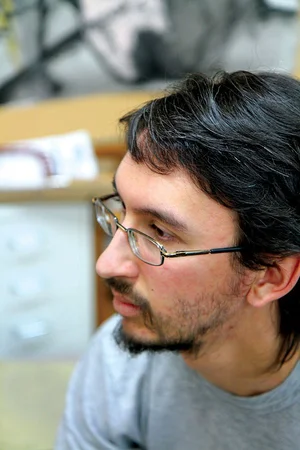
The Smithsonian Craft Show hosted its 44th annual event at the National Building Museum, April 22 - 26, 2026.
401 F St., N.W., Washington, D.C. 20001.
Visit their website at www.smithsoniancraftshow.org.
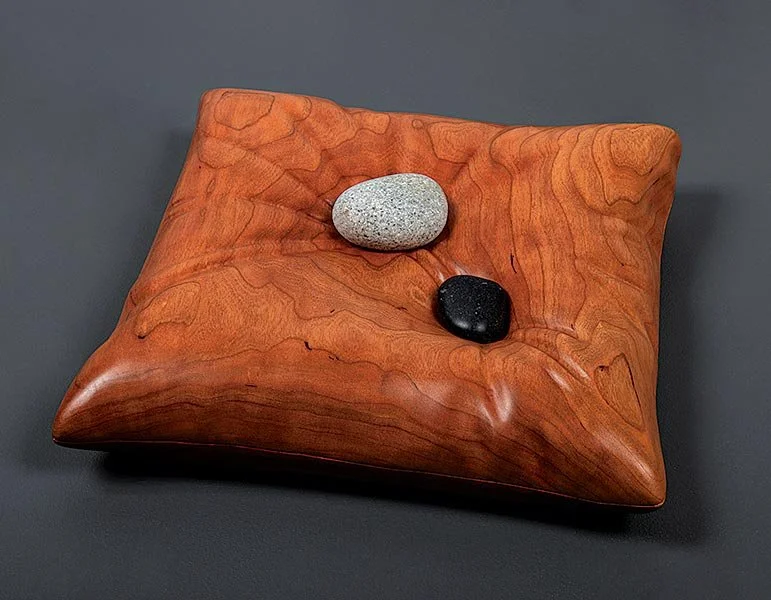
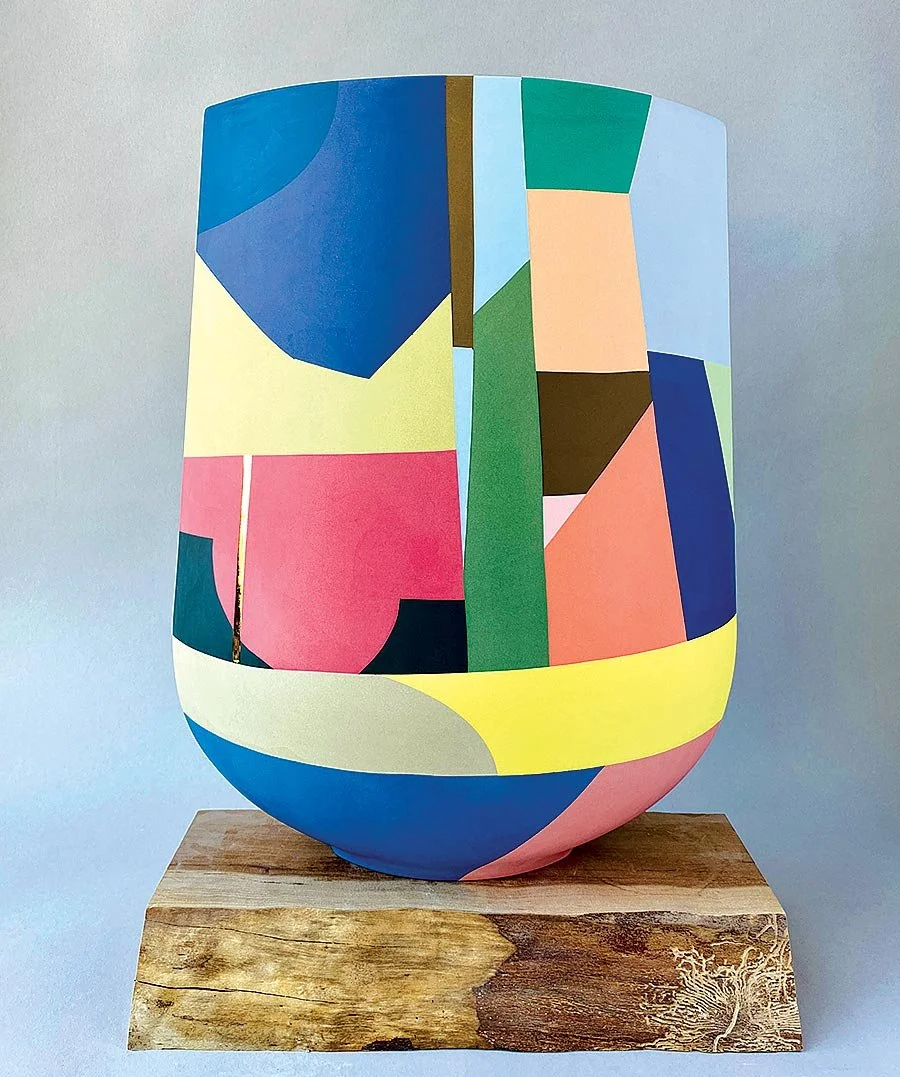
JERE WILLIAMS
WOOD
Click for Captions
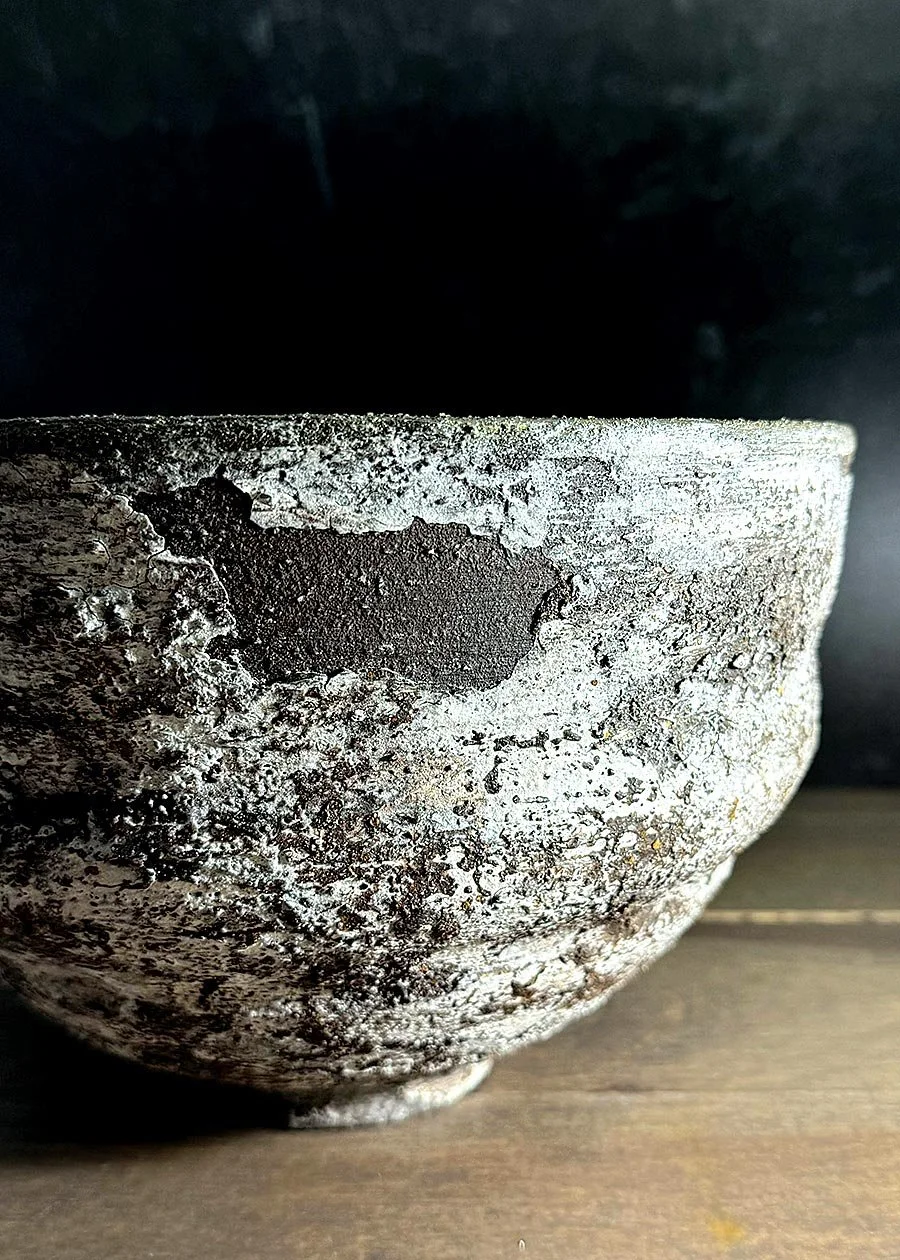
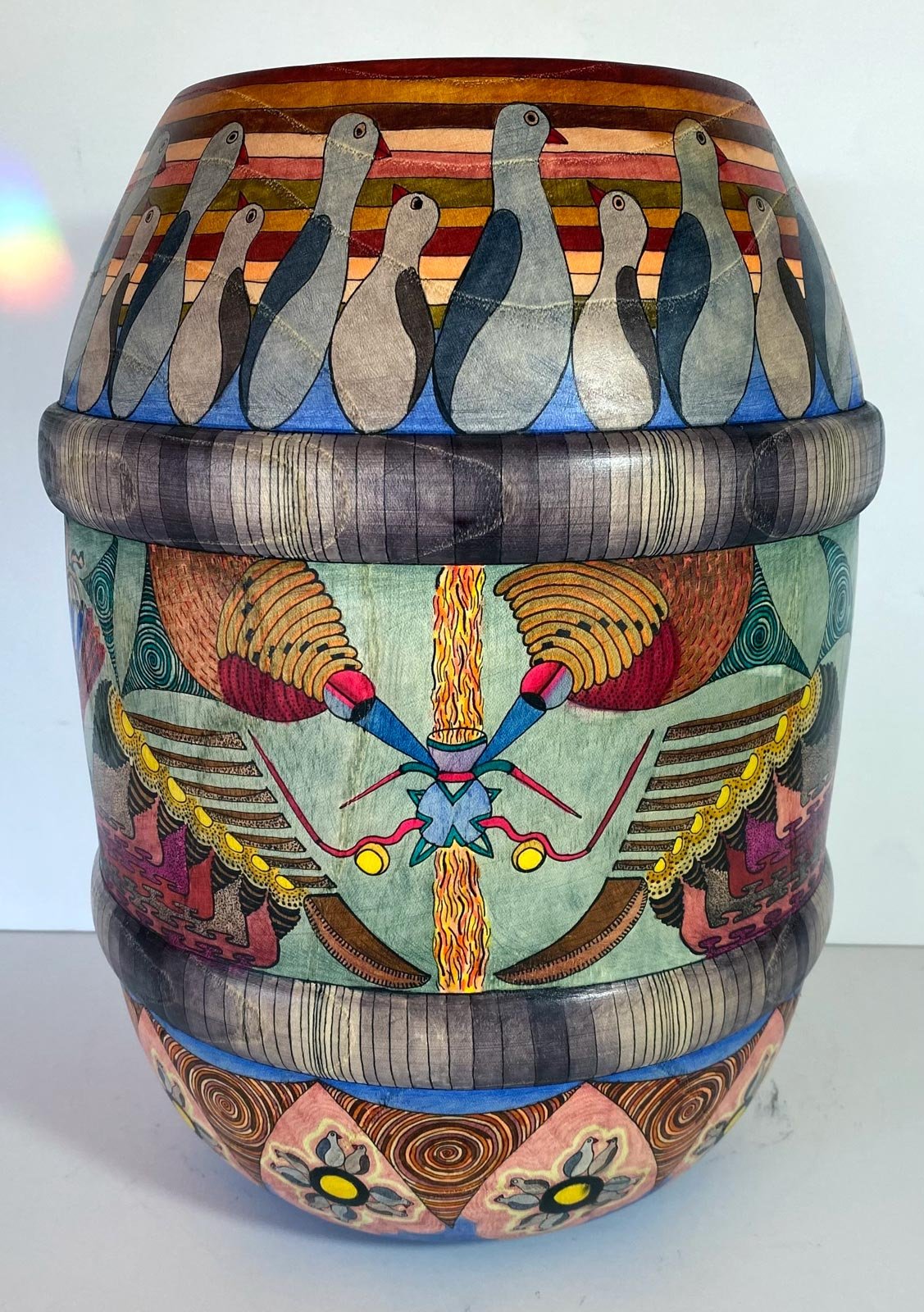
FRED CHASE
WOOD
There is power in the moment. Being present is a skill that some are born with, that some learn, and that some experience, all the time. It can be forgotten and washed away, in times of stress, when we become overwhelmed by our responsibilities, and the disasters that we encounter as part of life’s ebb and flow. But for those of us who have learned how, being present is a gift. It reminds us that despite all the challenges that face us, when we focus on the now, possibilities open and connections are made.
The world we live in may increasingly stray from the present moment, but we don’t have to. All it takes is a little initiative, and an understanding of what’s deserving of support in this day and age. As we enter the spring season of the United States’ semiquincentennial anniversary, a nationwide celebration of the handmade rolls out across the country. Handwork: Celebrating American Craft 2026 launched last November, coinciding with the Philadelphia Museum of Art Contemporary Craft Show, and with now over two hundred ninety-three artistically inclined organizations, from museums to community studios and galleries, participating in exhibitions and events, this silent groundswell is currently rippling throughout the country.
The Smithsonian Women’s Committee knows the power of organizing, as they have raised over $15 million in grant money for the Smithsonian Institution. Hundreds of projects behind the scenes that may never have seen the light of day have been made possible by their efforts, and the Smithsonian Craft Show, and Smithsonian Craft2Wear in the fall, are the capstone. Each year at the National Building Museum, the vaulted halls transform into an indoor marketplace, with craftspeople from all over the country selling their wares.
You might find this all folderol compared to the backdrop of what’s happening right now, with an escalating war with Iran, the shock to the global economy, underfunded public services, and government violence against its citizens, but you would be missing something important. Something vital.
The Smithsonian Craft Show, and events like it that have been built by community activism around the country, are part of the productive, and constructive, hustle and bustle of life. It has provided a place for artists to sell and make a living, finding an audience that can understand and appreciate the time and effort they’ve invested. They compose part of the fabric of our national quilt of culture, society, and community. They are a vital tile in the mosaic of our being social animals, something we seem to be increasingly getting away from. And we are in danger of losing all of that.
Click for Captions
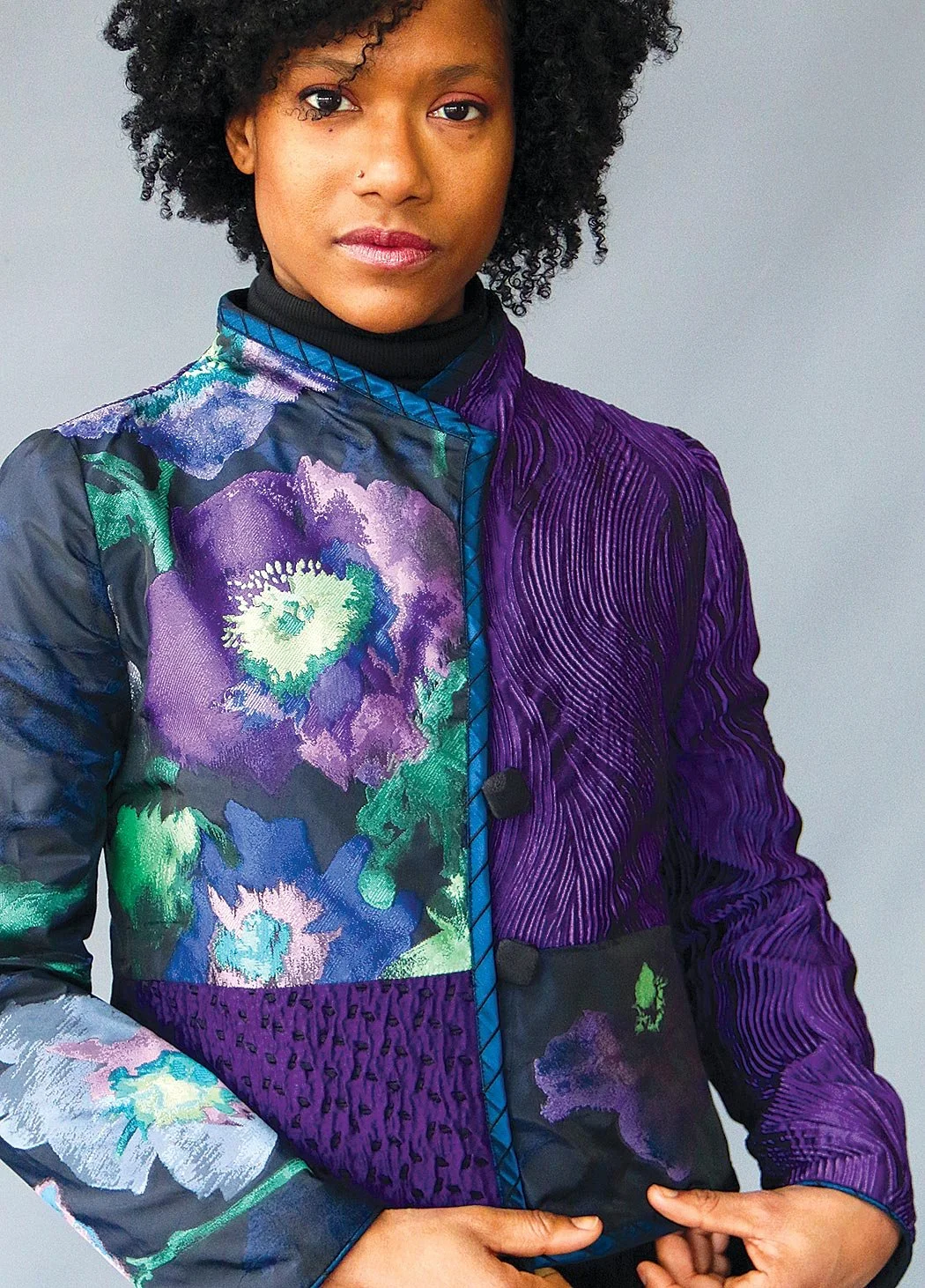
DAVID POLLOCK
WOOD
This isn’t another urgent call to action, but rather, a gentle plea. A reminder that what you are visiting at the Smithsonian Craft Show is a community-organized event, that happened because of the good efforts of a civic-minded group. As you enjoy the warm, monumental embrace of the National Building Museum’s central atrium, taking in the aisles of booths, each one set up with care and attention by the artist, keep in mind that it was people working together towards a common goal that made this happen. It didn’t occur out of thin air.
The Smithsonian Women’s Committee knows the value of hard work, many having come to volunteer after retiring from professional backgrounds. Many hands come together to help get stations set up and booth sitters situated. It goes beyond simple volunteerism, though. Through having built its clout over sixty years of organizing, and forty-four of those hosting the craft show, the Smithsonian Women’s Committee has in recent years branched out in giving recognition to craftspeople around the country. This year they honor Carol Sauvion, founder and former executive director of Craft in America, and one of the architects behind Handwork 2026, with the title of Honorary Chair.
Both the Visionary Award, and then founding the Delphi Award to elevate younger artists who are in the midst of building their careers, are ways the Women’s Committee has used that clout to platform and support craft. This year’s Visionary Artist is Wayne Higby, a ceramicist born in Colorado, who has taken the medium and transformed it with his innovations in raku firing. He has also been an educator, teaching at New York State University’s College of Ceramics since 1973. Higby himself is representative of what makes America great. He’s pushed the boundaries of an artistic medium, partnered internationally with the famous Jingdezhen, which specializes historically in ceramics and porcelain, and given back to the next generation through his being a teacher. The Visionary Award draws attention to this national treasure who might otherwise be unsung.
The Delphi Award is a gift of foresight, for it sees that without nurturing the up-and-comers, there will be no great masters. This year’s award went to Cristina Córdova (full disclosure, the author was one of the jurors, along with Carol Sauvion), a Puerto Rican (and thus American) sculptor whose work takes in the mighty lineage of figurative sculpture and builds upon it. Associated indelibly as it is in many with Greco-Roman culture, Córdova’s work firmly resituates the medium with bodies from her culture and history, yet retaining in full that poignancy and pathos which all great sculpture engenders in its observer. She received her MFA at New York State’s College of Ceramics, a nice connection between the two award winners.
While these two artists are being celebrated, you can look around you to find some closer to home, as it were, at the show itself. Many craft artists make their living through going to several shows each year, packing up their booth, traveling, staying at a hotel, then going through the uncertainty of the show itself. It’s a life alternating between hermitude and being a nomad, venturing from the studio to sell the work you’ve produced. Those shows are closing, with several big names, including the American Craft Council Show in San Francisco, and the American Craft Exposition in Chicago, having shuttered in the last few years. Covid-19 was a big factor in accelerating that shift, although it has been this way for some time. That makes those remaining, like the Smithsonian Craft Show, important reminders of what we have, and what we can lose.
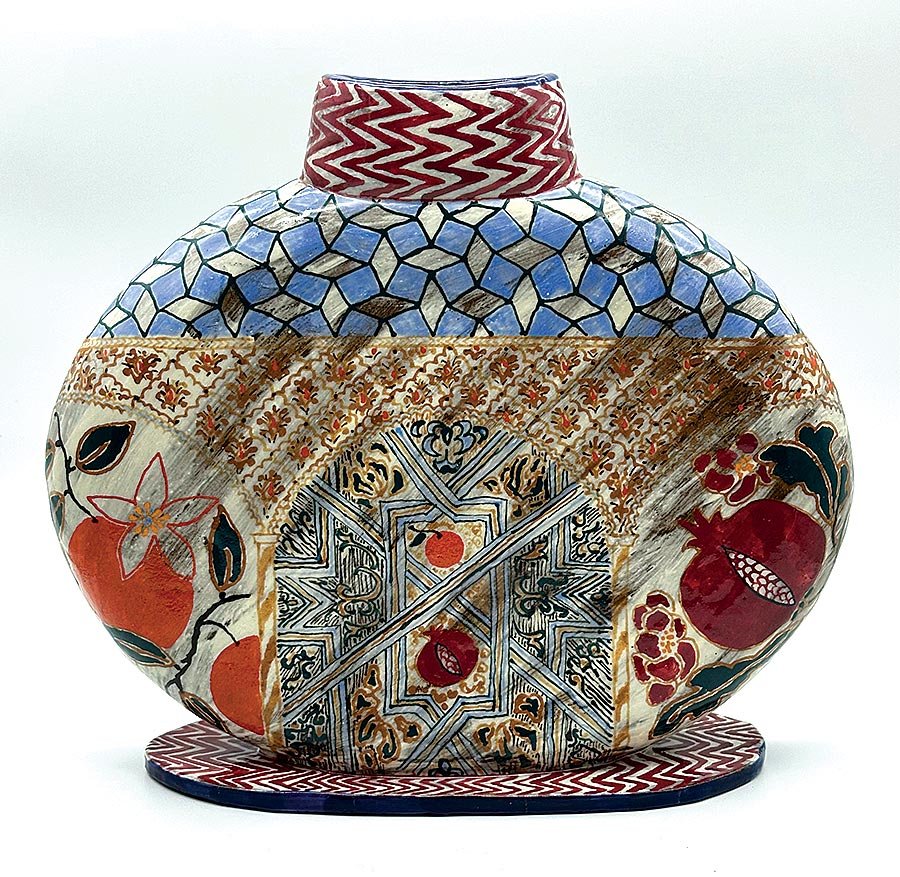
But what do we have? Walk around this year’s show and you’ll find marvels. The jurying for 2026 has ushered in more than forty artists new to the show, with an eye towards diversity of backgrounds. Namita Gupta Wiggers and Sarah Darro, two of the jurors for the show this year, have likely brought this expanded perspective. As one example, Maryamm Abdullah’s pottery unites Middle Eastern symbols and patterns in a wonderful jubilee. Reminiscent of the sometimes chaotic patchwork of graffiti, Abdullah’s vessels serve almost as architecture for the glazes to decorate, each one like a miniature home or cozy venue to offer both beauty and comfort.
Click for Captions
MARTHA COLLINS
JEWELRY
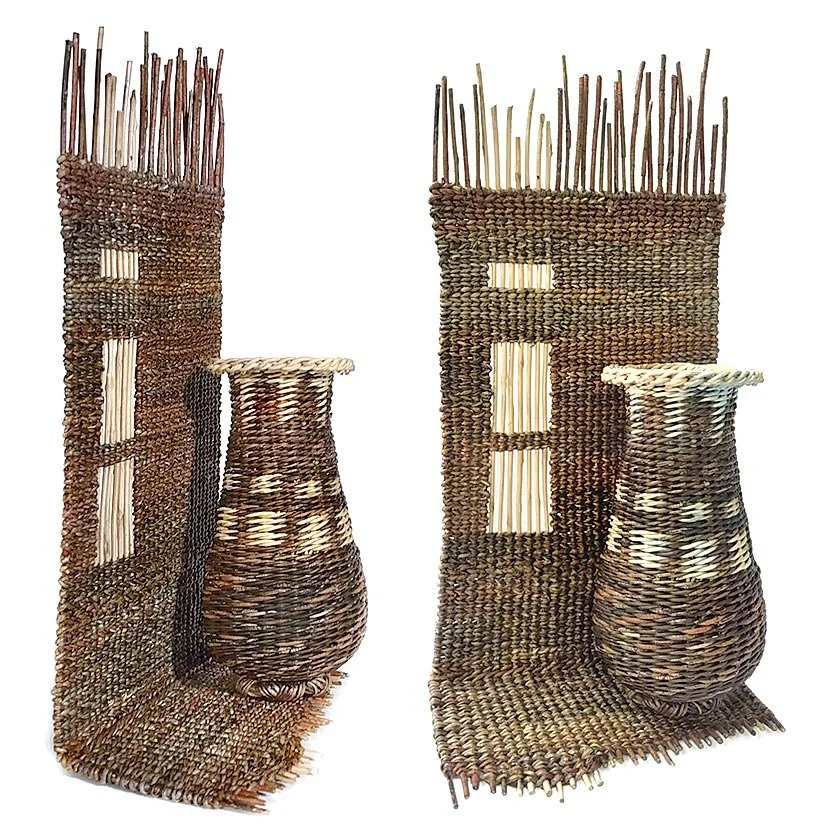
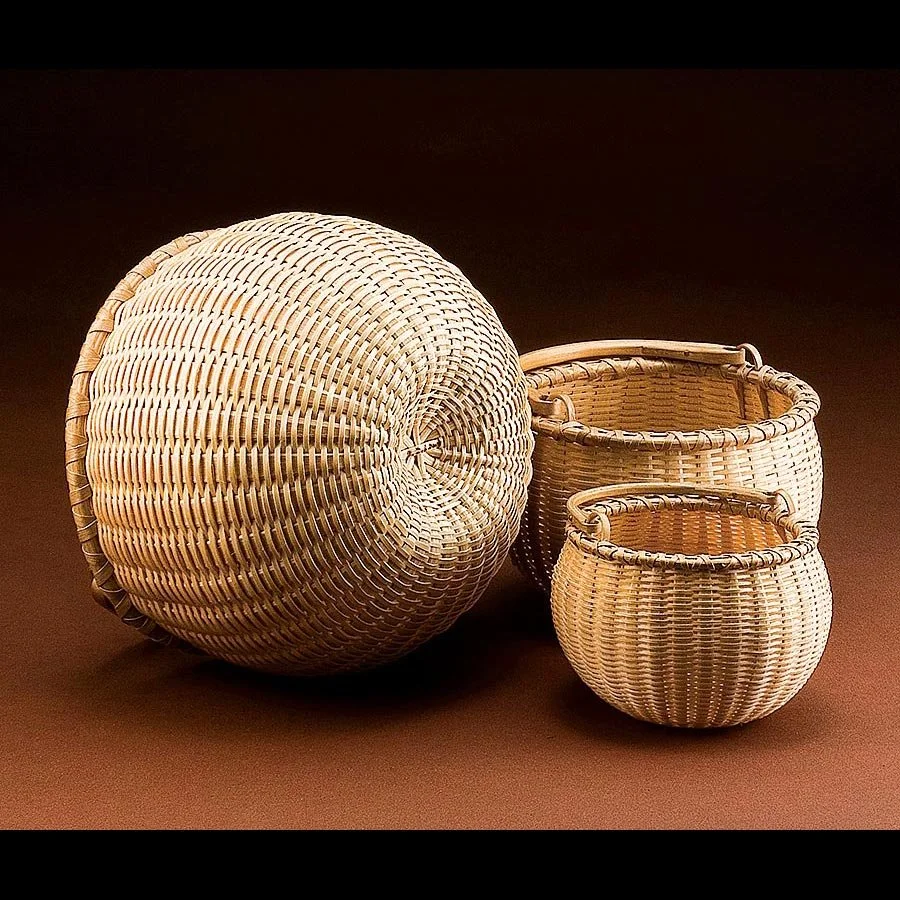
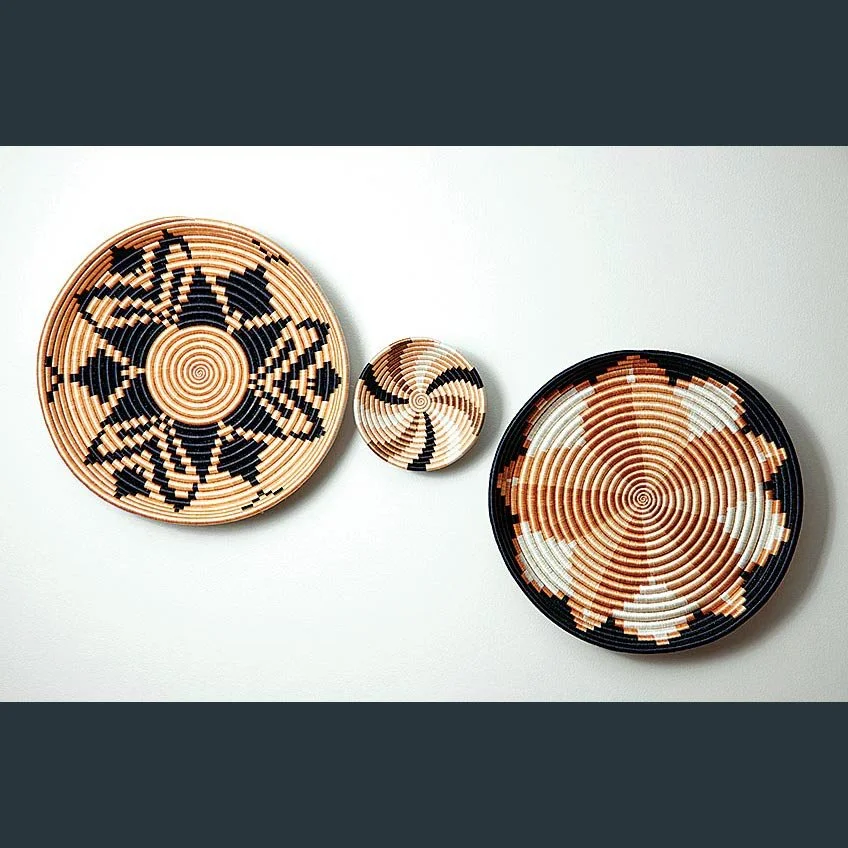
In the longstanding tradition of African basketweaving, Ange Muhorakeye learned the craft whilst living in a refugee camp in Burundi, where she was born. Her grandmother and her mother were her teachers. Seven years ago she moved to the States, and was sent with a package of sweetgrass and sisal fibers with needles as a parting gift, along with the message from her mother, “Do not forget our culture.” As she creates new baskets in the tradition of her forebearers, sending proceeds back to rural communities in her native Rwanda, her mother’s message resonates to all of us, no matter our heritage.
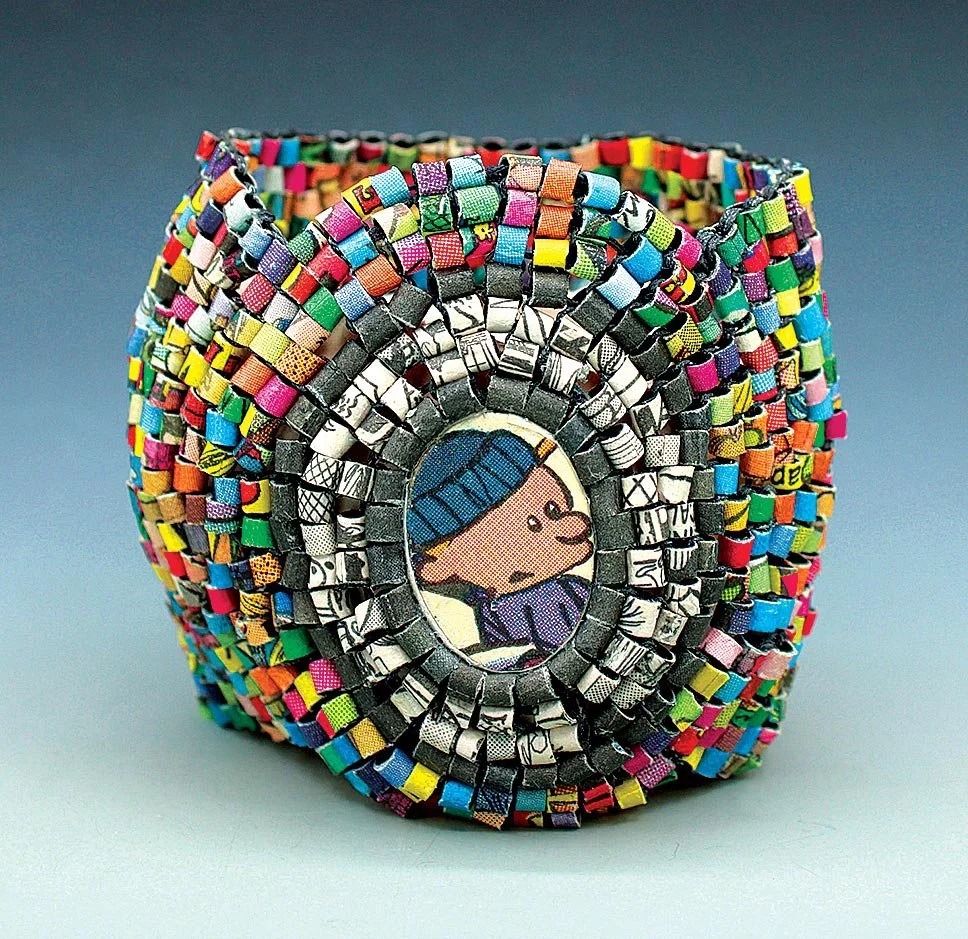
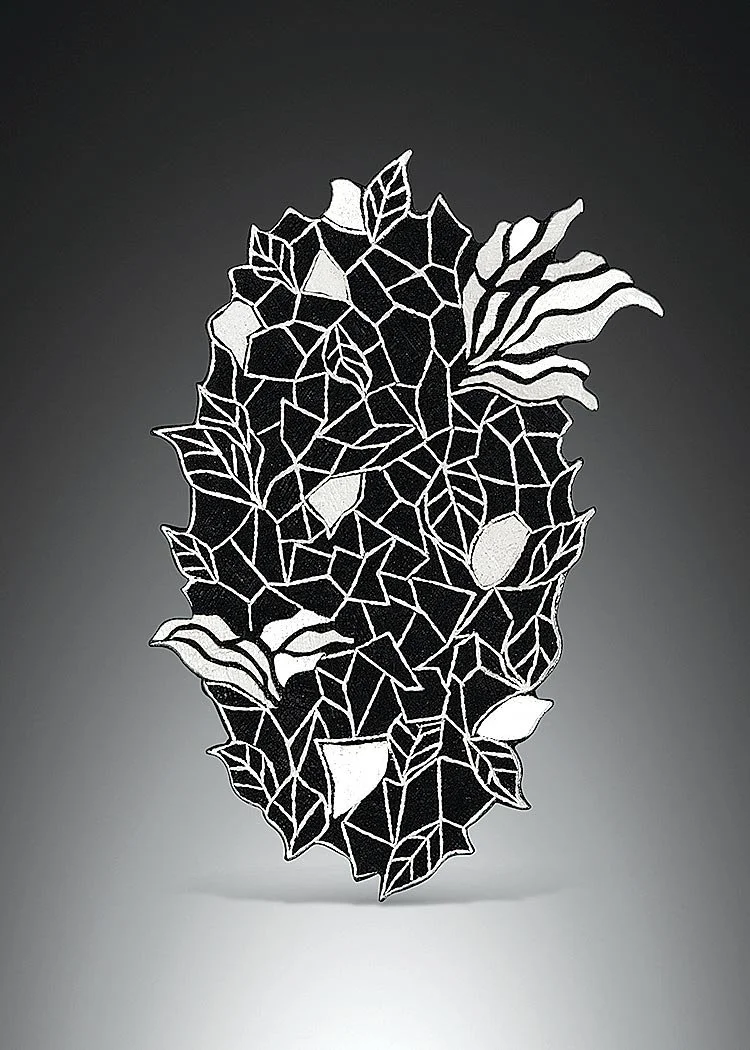
There are several interesting additions to jewelry this year. Laura Fortune harkens back to 1950s America with her retro-inspired enamel jewelry, an interesting mix between glitz and nostalgia. Many of her necklaces, brooches and bracelets depict scenes from middle America, snapshots in time that, in their abstracted, cartoonified depiction, invite a playful response.
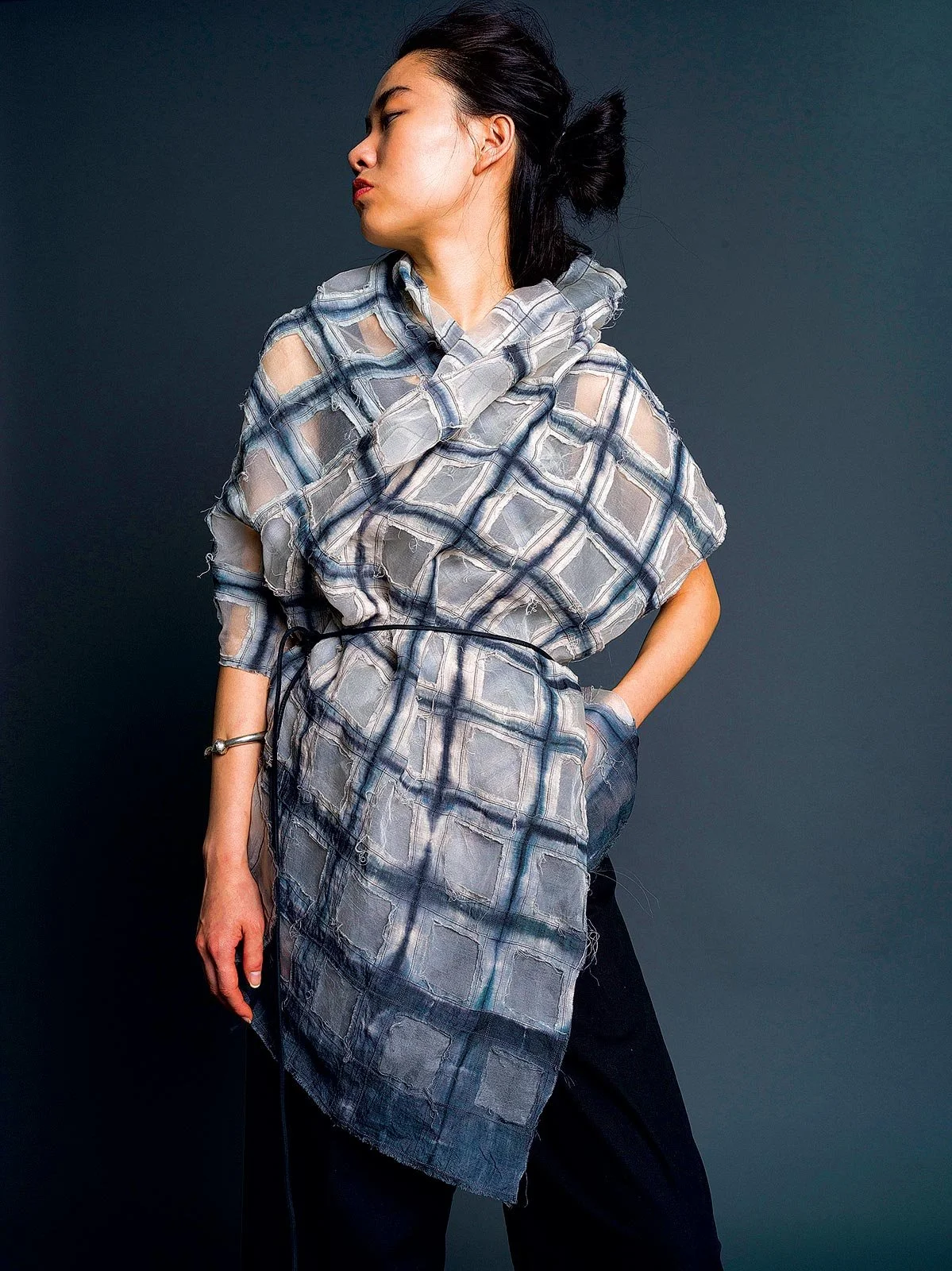
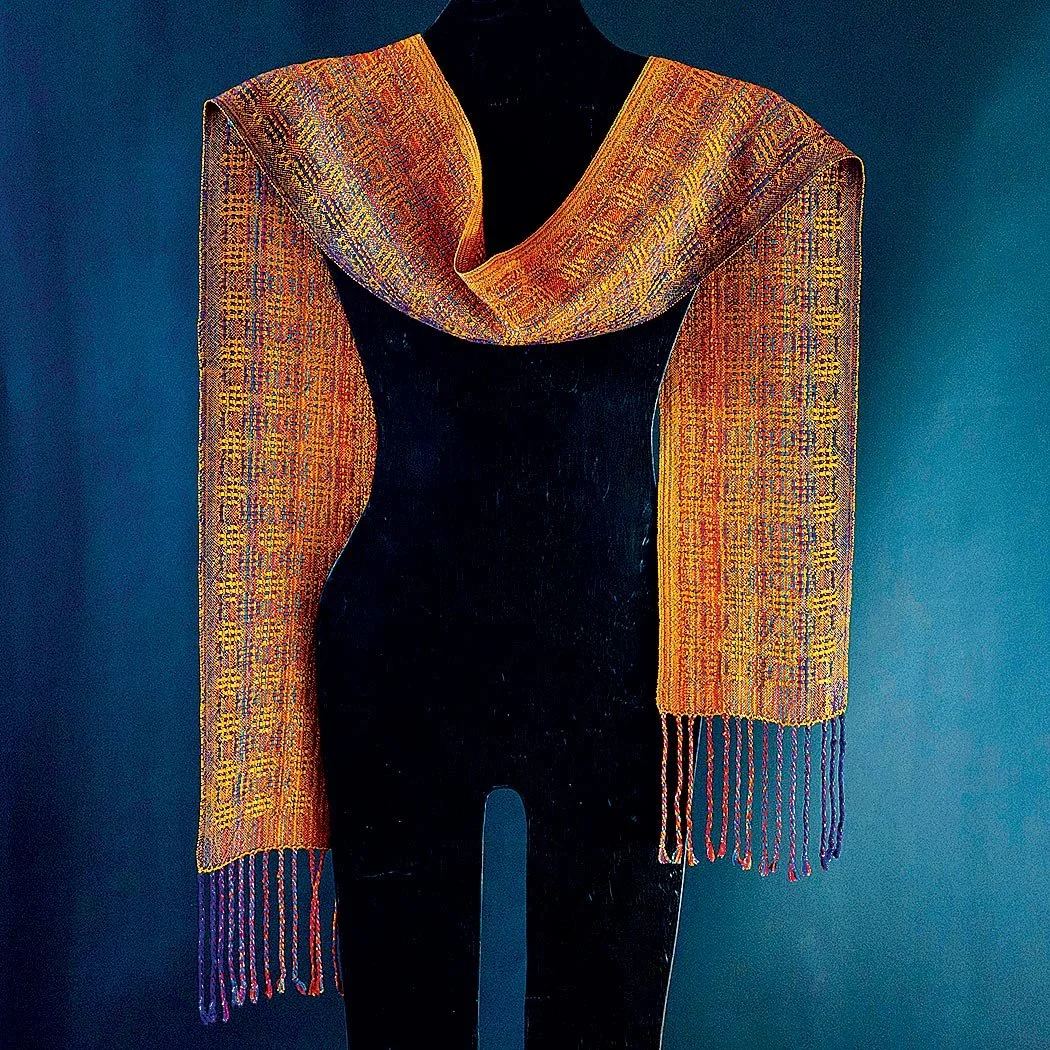
We met Amy Smith at the PMA Contemporary Craft Show last November, and she gave us her sales pitch on Tencel, the fiber she uses for her woven scarves. Tencel uses sustainably grown wood pulp, usually eucalyptus, and is both sensuous to the touch and takes color well. Smith is one of the silent but stalwart wave of craftspeople who are looking to make their craft as ethical and environmentally responsible as they can. In championing Tencel, she’s helping to shift people’s minds on what we wear, and makes them look gorgeous doing so.
Karole Mazeika and Gillian Preston’s works utilize alternative materials, and this practice becomes even more salient with the historically high price of gold and silver affecting the livelihoods of many jewelry artists. For Mazeika and Preston, leather, and glass are their primary materials. Mazeika partners with her husband, Grady, in creating her leather jewelry and baskets. Their business name is Oropopo, the place where Mazeika was born, in Venezuela. Her husband is from New Mexico originally, and specializes in desert literature and its aesthetics. Their collaboration makes for beautiful, unusual pieces that reference elements of American and world culture, like the cowboy fringe.
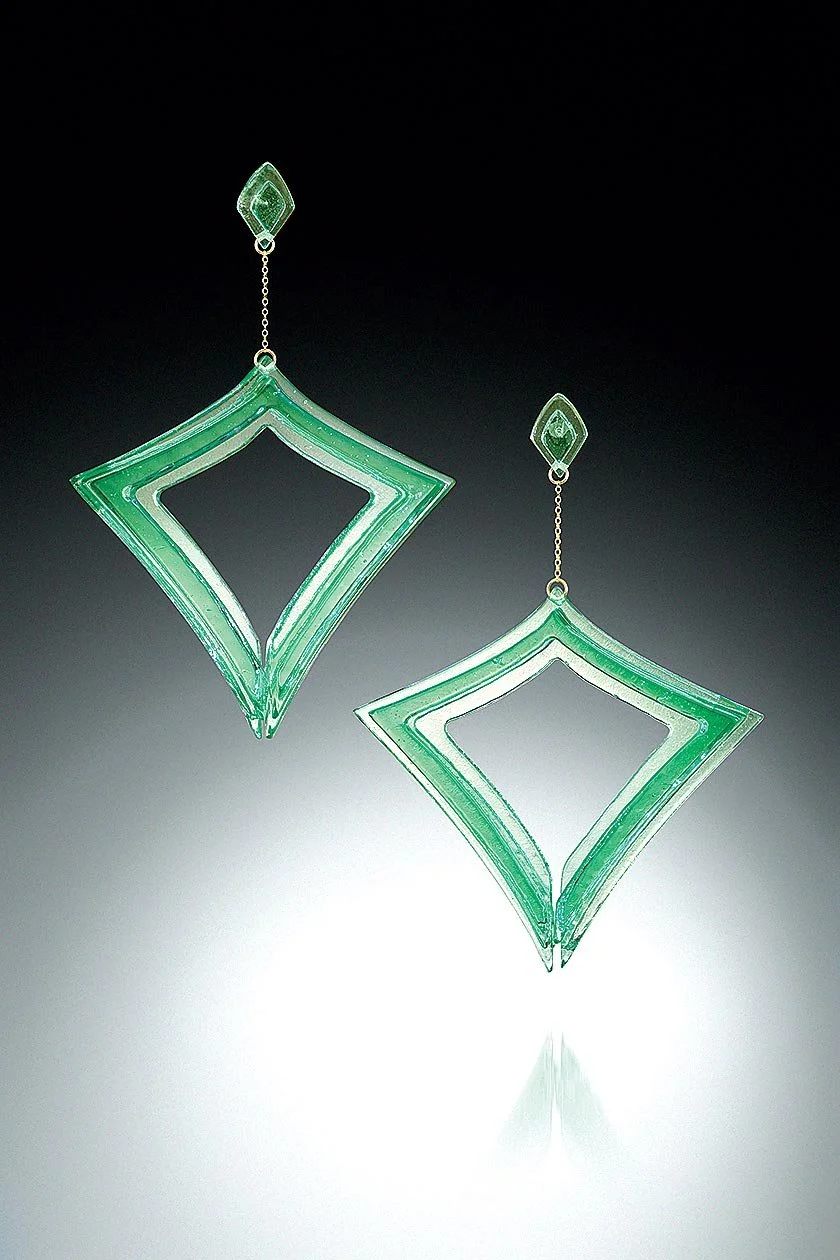
Preston’s jewelry is made by hand-blowing glass plates that she decorates, then cuts apart once cooled to create the component materials for her pieces. Glass is a stunning material, and Preston’s individually made, broken plates create gems of incredible luminescence and lustre.
As a haven for inventiveness, innovation, dedication, passion, and talent, the Smithsonian Craft Show is more than it lets on. It’s a place that represents the true spirit of the American people, although in actuality, the good qualities reflected by the people at the craft show are universal.
Click for Captions

Patrick R. Benesh-Liu is Coeditor of Ornament and a lifelong participant in his parents’ creative journey. From growing up in the Ornament office on La Cienega Boulevard in Los Angeles to his first administrative work in the Vista, California building during high school, Benesh-Liu has been fortunate to be immersed in craft, culture, and wearable art. With the launch of Handwork: Celebrating American Craft 2026, he has been both involved as a partner, and taking in with great joy the events centering the handmade all across the country. He writes in this issue on one of the nation’s treasures, the Smithsonian Craft Show. As we lose more and more of these venues across the country, Benesh-Liu reminds us that the powers of a show to elevate artists, and bring their work to the public, is invaluable to the cultural health of our society and nation. He also writes on the passing of Thomas Gentille and James “Wally” Wallace, two outstanding members of the craft community who contributed greatly with not only their personal work, but their personalities, their expansive philosophies, and their vital involvement in institutions and events.